
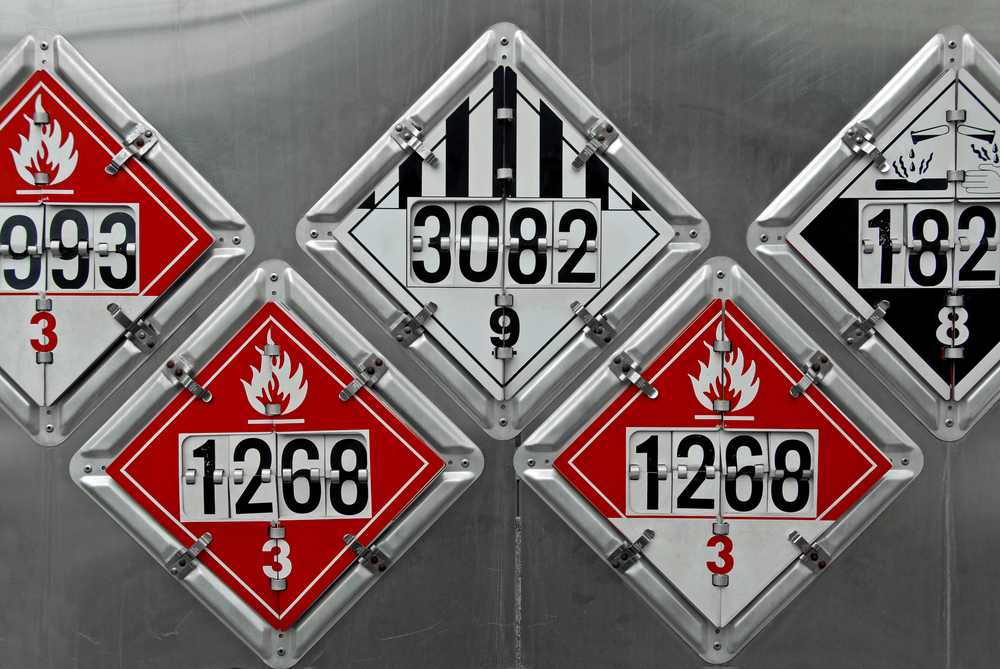
Safety First: Why Certified Hazmat Hauling is Critical for Your Supply Chain
When your supply chain involves hazardous materials, the stakes could not be higher. A single compliance failure, improper labeling, or untrained driver can lead to catastrophic consequences, including fines, environmental damage, injuries, and even fatalities. For businesses that rely on hazmat shipping, partnering with a certified carrier is not just a smart business decision; it is an absolute necessity.
Across the United States and especially throughout South Carolina, companies are discovering that working with fully certified hazardous materials transport providers is the foundation of a resilient, reliable, and legally compliant supply chain.
The Risks of Hazardous Materials Transport
Hazardous materials come in many forms. Flammable liquids, corrosive chemicals, explosive compounds, toxic gases, and radioactive substances all fall under the broad umbrella of hazmat cargo. Each category carries its own specific risks, and each requires specialized handling, packaging, and documentation to move legally and safely from one point to another.
The U.S. Department of Transportation (DOT) regulates hazmat shipping through the Hazardous Materials Regulations (HMR), a comprehensive set of rules that governs everything from how cargo must be labeled to how drivers must be trained. Violations of these regulations can result in civil penalties reaching into the tens of thousands of dollars per incident. More importantly, non-compliance puts people and communities at serious risk.
South Carolina sits at the crossroads of major interstate highways, including I-26, I-77, and I-95, making it a critical corridor for freight movement throughout the Southeast. That high volume of traffic means that carriers operating in this region must be especially rigorous in their safety protocols. One improperly secured load of hazardous chemicals moving through a densely populated area like Columbia or Charleston can have devastating downstream effects on public health and the environment.
This is why choosing a carrier with a demonstrated track record in hazardous materials transport is not optional; it is essential. The right partner understands the regulations, maintains the proper equipment, and employs trained professionals who know exactly what to do whether conditions are ideal or challenging.
What Certified Carriers Bring to the Table
Not all carriers are created equal, and when it comes to hazmat shipping, the difference between a certified carrier and an uncertified one can be the difference between a smooth delivery and a disaster. Certified carriers invest heavily in their personnel, their equipment, and their compliance infrastructure.
Driver training is one of the most critical components. Under federal law, all drivers transporting hazardous materials must receive hazmat-specific training covering safety procedures, emergency response, and handling requirements for their specific cargo type. Certified carriers go beyond the minimum, offering ongoing education and refresher programs to ensure their teams are always current with evolving regulations.
Equipment is another major differentiator. Certified carriers maintain fleets that are properly outfitted for hazardous cargo, including specialized tank trailers, containment systems, and safety equipment designed to prevent leaks, spills, and accidents in transit. Regular inspections and maintenance schedules are not just recommended; they are built into the operational culture of a truly professional hazmat carrier.
Documentation and compliance management are also areas where certified carriers add tremendous value. Proper shipping papers, emergency response information, placarding, and manifest accuracy are all critical components of a compliant hazmat shipment. A single documentation error can delay a shipment, trigger an inspection, or result in a serious fine. Experienced hazmat carriers have systems in place to catch and correct these issues before they become costly problems.
The Importance of CTPAT Certification in Hazmat Hauling
For companies operating within international supply chains or working with government contractors, CTPAT certification adds another critical layer of credibility and security. CTPAT, which stands for Customs-Trade Partnership Against Terrorism, is a voluntary public-private partnership program administered by U.S. Customs and Border Protection (CBP). It is designed to strengthen the security of the global supply chain and improve border security.
A CTPAT certified carrier has been vetted by CBP and has demonstrated a commitment to supply chain security best practices. This includes physical security measures, personnel security protocols, IT security standards, and documented procedures for identifying and addressing potential threats within the supply chain.
For businesses involved in hazmat shipping, working with a CTPAT certified carrier provides an additional assurance that your cargo is not just being handled safely from a chemical standpoint, but that it is also being protected from tampering, theft, and other security threats throughout the journey. This is particularly important for high-value chemical shipments or for materials that could pose a national security risk if they were to fall into the wrong hands.
In South Carolina, where the Port of Charleston serves as one of the busiest container ports on the East Coast, CTPAT certification is especially relevant. Carriers that move hazardous cargo through or near port facilities benefit from streamlined customs processes and reduced inspection delays when they hold this designation. For time-sensitive chemical shipments, that efficiency can make a meaningful difference to the bottom line.
Safe Chemical Hauling as a Competitive Advantage
Many companies view regulatory compliance as a cost center, something they must maintain to avoid penalties but that does not generate value on its own. However, companies that reframe safe chemical hauling as a competitive advantage are finding that their investment in certified carriers pays off in multiple ways.
First, there is the matter of insurance and liability. Working with a certified hazmat carrier with a strong safety record can directly impact your insurance premiums and limit your exposure in the event of an incident. Shippers can share liability if they knowingly use a non-compliant carrier, making due diligence in carrier selection a financial imperative.
Second, customers and partners increasingly scrutinize the safety and compliance profiles of the vendors and carriers in their supply chains. In industries like pharmaceuticals, agriculture, and manufacturing, where hazardous chemicals are common inputs, demonstrating that your logistics network is built on certified, compliant carriers is a genuine selling point. It builds trust, supports sustainability goals, and reduces the likelihood of supply chain disruptions.
Third, in South Carolina’s growing industrial and manufacturing sector, businesses that commit to hazardous materials transport best practices are better positioned to win contracts with state and federal agencies, large manufacturers, and multinational corporations that require proof of carrier certification as part of their procurement standards.
Finally, there is the human element. Companies that prioritize safe chemical hauling are protecting not just their cargo, but the communities through which their freight travels. That commitment resonates with employees, customers, and neighbors alike, reinforcing a culture of responsibility that extends beyond the loading dock.
Conclusion
Certified hazmat shipping is not a luxury reserved for the largest corporations; it is a baseline requirement for any business that takes its supply chain seriously. Whether you are shipping industrial solvents through South Carolina’s highway corridors or coordinating a complex multimodal chemical shipment through the Port of Charleston, the carrier you choose will have a direct impact on your safety record, your compliance standing, and your reputation.
Partnering with a CTPAT certified carrier that specializes in hazardous materials transport gives you the confidence that every shipment is handled with precision, care, and full regulatory compliance. In a world where supply chain failures make headlines and regulatory scrutiny continues to intensify, that peace of mind is worth every penny.
Need a Local Port Drayage in North Charleston, SC?
Welcome to All Points Transport! Established in 2005, All Points Transport has over 14 years of intermodal and containerized experience. Intermodal shipping is the process of moving various types of cargo while utilizing more than one method of transportation. We specialize in the one-way and round-trip inland movement of import and export containers, shipping product across the United States. At All Points Transport, we are the company to trust when it comes to shipping specialized cargo, including over-dimensional transport, hazmat transport, refrigerated transport, and more. We will guarantee a safe, reliable, and cost-effective service provided by our experienced staff. Call us today for more information!
Categorised in: Hazmat Shipping