
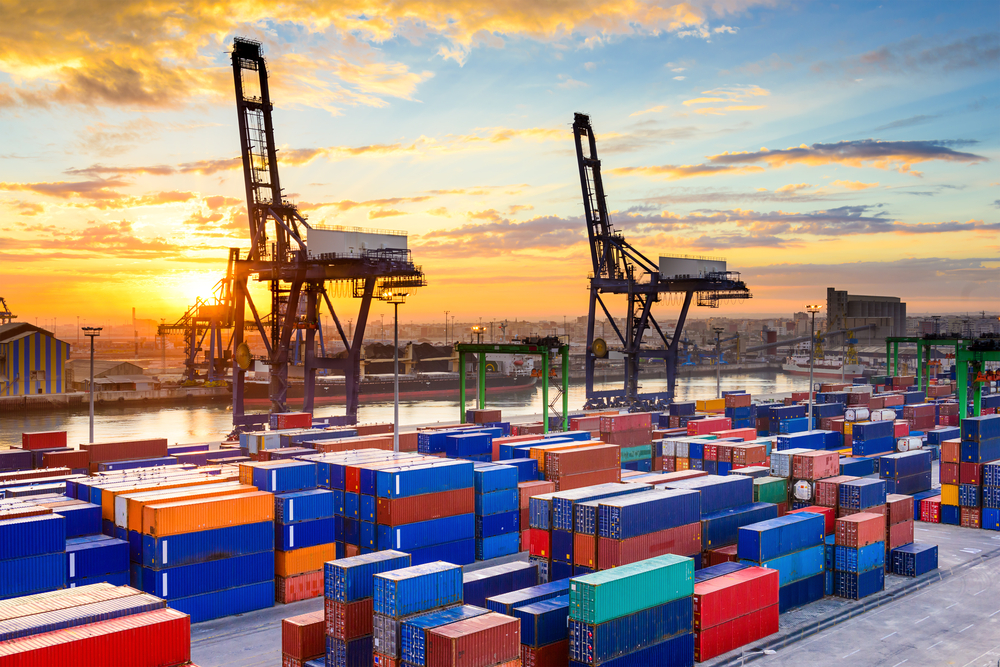
Navigating the Port of Charleston: A Guide to Seamless Drayage
The Port of Charleston stands as one of the most strategically important gateways on the East Coast, connecting South Carolina to global trade routes with remarkable efficiency. As import and export volumes continue to grow, the demand for reliable drayage services in and around Charleston has never been higher. Whether you are a freight broker, beneficial cargo owner, or supply chain manager, understanding how drayage works at this major hub is essential to keeping your cargo moving without costly delays.
Drayage, the short-distance transport of shipping containers between SC Port terminals and nearby warehouses, rail yards, or distribution centers, plays a critical role in the larger logistics ecosystem. Without it, even the most well-organized international shipments can grind to a halt just miles from their final destination.
This guide breaks down what you need to know to navigate container transport at the Port of Charleston with confidence.
Understanding the SC Port Terminals and Their Layouts
The South Carolina Ports Authority operates several key facilities in the Charleston area, each serving distinct cargo functions. The Wando Welch Terminal is the largest and most active container terminal, handling millions of TEUs annually. It serves as the primary hub for most containerized imports and exports passing through Charleston. The Hugh K. Leatherman Terminal, located in North Charleston, represents a newer addition to the port’s infrastructure and has been expanding its capacity to meet growing trade demands.
The North Charleston Terminal handles a mix of cargo types, while the Columbus Street Terminal is often used for project cargo and vehicles. For anyone coordinating drayage, knowing which terminal your container is assigned to makes a significant difference in routing, appointment scheduling, and driver assignments. Misrouting a truck to the wrong facility wastes time and can trigger late fees or missed pickup windows.
SC Port terminals operate on appointment-based systems, meaning drayage carriers must schedule gate appointments in advance through the port’s online portal. This system helps reduce congestion at the gates, but it also means that local drayage experts need to stay on top of appointment availability and plan pickups accordingly. Terminals can get booked quickly during peak shipping seasons, so working with an experienced drayage provider who knows the system is a genuine advantage.
What Makes Charleston Drayage Unique
Charleston occupies a distinctive position among East Coast ports. Its location in South Carolina provides direct access to major interstate highways, including I-26 and I-95, which feed cargo into the Southeast, Midwest, and beyond. The port also connects to the Norfolk Southern and CSX rail networks, enabling intermodal container transport to inland destinations across the country.
The tidal patterns of the Charleston harbor allow the port to accommodate some of the largest container vessels currently in service, including neo-Panamax ships that became accessible after the Panama Canal expansion. This means that container volumes arriving in a single vessel call can be substantial, placing significant pressure on drayage capacity during peak discharge windows.
Unlike some larger ports plagued by chronic congestion, Charleston has historically maintained a reputation for relatively smooth operations. That said, disruptions do occur, whether from labor issues, weather events, vessel bunching, or chassis shortages. Local drayage experts who operate regularly at the port develop the situational awareness needed to adapt quickly when conditions shift. They know which gates open earliest, how terminal operations change during holidays, and which chassis pools are most reliable on a given day.
Another factor that sets Charleston apart is its growing role as a transshipment and e-commerce fulfillment hub. As more distribution centers are established in the region, the complexity and frequency of drayage moves has increased. Container transport is no longer just about getting a box off the ship and into a warehouse; it increasingly involves precision timing to meet tight fulfillment windows.
Choosing the Right Drayage Partner in Charleston
Selecting a drayage provider is one of the most consequential decisions a shipper or logistics manager can make when routing cargo through the Port of Charleston. Not all carriers operate at every terminal, and not all have the chassis relationships, driver pools, or technology integrations needed to perform consistently.
When evaluating local drayage experts, consider their terminal authority and registration status first. A provider must be properly registered with the South Carolina Ports Authority and carry the appropriate insurance and operating authority. Beyond credentials, look at their track record at the specific SC Port terminals your cargo will move through. A carrier with deep experience at Wando Welch may have limited familiarity with the Leatherman Terminal, which operates under different workflows.
Technology is another differentiator. The best drayage providers offer real-time container tracking, electronic document management, and proactive communication when delays arise. Given that detention and demurrage fees can accumulate rapidly once free time expires, you want a partner who monitors container availability closely and moves quickly when the port releases cargo.
Capacity is a perennial concern in Charleston, particularly during peak import seasons in the fall and around major holidays. Providers with a large, dedicated driver fleet are better positioned to handle surges than those relying heavily on owner-operators with competing commitments. Ask potential partners about their driver capacity and how they manage volume spikes before you find yourself scrambling during a crunch period.
Finally, consider the geographic reach of the drayage company. If your distribution center is located in Charlotte, Greenville, Spartanburg, or further inland, confirm that the provider handles those lanes directly rather than brokering them out. Direct control over the full move generally results in better visibility and accountability.
Common Challenges in Charleston Container Transport and How to Solve Them
Even at a well-run port like Charleston, container transport involves a range of operational challenges that can trip up unprepared shippers. Chassis availability is frequently cited as a top concern. The port relies on a mix of carrier-owned and pooled chassis, and supply can tighten quickly when vessel calls stack up. Working with a drayage provider who has established chassis relationships or access to multiple pools gives you a buffer against these shortages.
Detention and demurrage charges are another area of exposure. Once a container is discharged and free time begins, the clock starts ticking. Delays in obtaining a gate appointment, locating an available chassis, or clearing customs can all eat into that free time and trigger per diem charges. Proactive communication between your customs broker, freight forwarder, and drayage provider is the most effective way to minimize this risk.
Port congestion, while less severe in Charleston than at some West Coast counterparts, still occurs during peak periods. Diversions from other congested ports can create unexpected surges at Charleston that compress appointment availability and increase gate wait times. Local drayage experts who monitor port conditions daily are better equipped to advise you on timing and help secure appointments during high-demand windows.
Regulatory compliance is also worth noting. South Carolina has specific requirements around truck emissions, weight limits, and hazardous materials transport that apply to drayage operations. A reputable carrier will be fully compliant and keep you informed of any regulatory changes that could affect your shipments.
Conclusion
The Port of Charleston represents a tremendous opportunity for shippers seeking efficient, high-capacity access to East Coast and inland markets. Seamless drayage is the critical link between the vessel and the final destination, and getting it right requires the right knowledge, the right partners, and a clear understanding of how SC Port terminals operate. By working with experienced local drayage experts who know Charleston’s infrastructure, booking habits, and operational rhythms, you position your supply chain for reliability and cost control in an increasingly competitive logistics environment. Investing in that expertise upfront pays dividends every time a container moves smoothly from the dock to its destination.
Need a Local Port Drayage in North Charleston, SC?
Welcome to All Points Transport! Established in 2005, All Points Transport has over 14 years of intermodal and containerized experience. Intermodal shipping is the process of moving various types of cargo while utilizing more than one method of transportation. We specialize in the one-way and round-trip inland movement of import and export containers, shipping product across the United States. At All Points Transport, we are the company to trust when it comes to shipping specialized cargo, including over-dimensional transport, hazmat transport, refrigerated transport, and more. We will guarantee a safe, reliable, and cost-effective service provided by our experienced staff. Call us today for more information!
Categorised in: Drayage Service